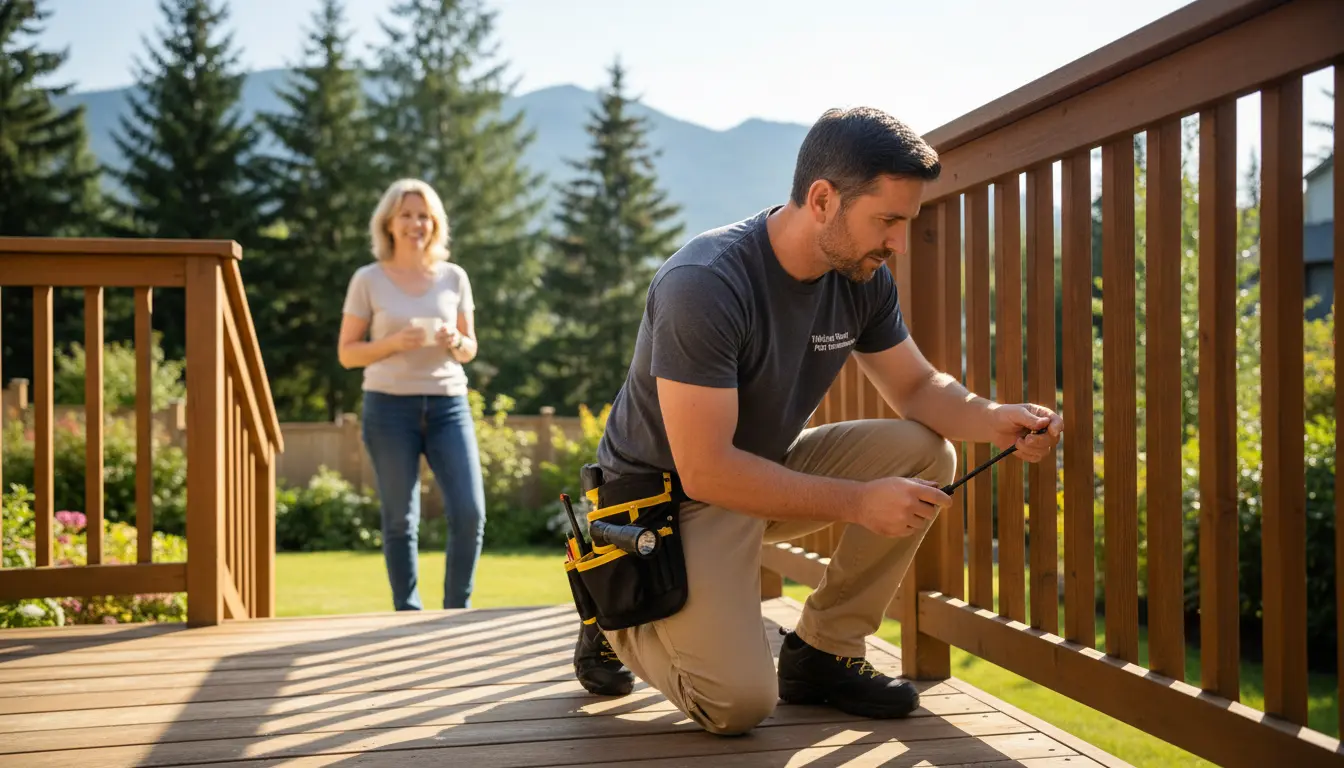
Living in the Hoosier State means dealing with more than just basketball and cornfields—Indiana’s notorious humidity is a silent culprit behind surging pest invasions in homes across Indianapolis. If you’ve noticed more ants marching through your kitchen or mysterious bites at night, you’re not alone. The Midwest’s muggy summers create the perfect breeding ground for pests, turning your cozy abode into their summer resort. At Whistler Pest Exterminators, we’ve seen firsthand how this climate challenge affects families in neighborhoods like Fountain Square and beyond. In this guide, we’ll uncover the science behind humidity’s role in pest proliferation, share practical prevention strategies, and explain why professional intervention is key to reclaiming your peace of mind.
Understanding Humidity’s Impact on Pests
Indiana’s climate is a humid continental type, with average relative humidity levels often exceeding 70% during the warmer months. This moisture-rich environment doesn’t just make your hair frizzy; it supercharges pest populations by providing the water they need to thrive.
Why Pests Love Moist Conditions
Pests such as cockroaches, ants, spiders, and mosquitoes require humidity to survive and reproduce. For instance, cockroaches can absorb moisture directly from the air, allowing them to go weeks without drinking. In Indianapolis homes, where basements and crawl spaces trap damp air, these resilient invaders multiply rapidly. According to pest control experts, high humidity accelerates insect metabolic rates, leading to faster egg-laying and shorter life cycles. What starts as a single scout ant can quickly become an ant colony removal nightmare if left unchecked.
Local data from the Indiana Department of Health highlights how summer storms and the White River’s proximity exacerbate this issue in areas like Irvington, where flooding can introduce even more moisture-loving pests into residential zones.
Common Pests Thriving in Indiana’s Humid Climate
From the urban buzz of downtown to the suburban sprawl, Indianapolis residents face a roster of humidity-fueled foes. Let’s break down the most prevalent ones and how the weather plays into their persistence.
Cockroaches: The Ultimate Humidity Survivors
German and American cockroaches are humidity’s best friends, flourishing in warm, damp spots like under sinks or in sewer lines. Indiana’s sticky summers keep their populations booming year-round, with peaks in July and August. If you’re in Haughville, where older homes often have moisture-prone foundations, these pests can infiltrate through tiny cracks. For effective solutions, consider our specialized cockroach extermination services tailored to Indianapolis’s unique challenges.
Ants and Termites: Moisture’s Hidden Invaders
Ants, particularly carpenter ants, seek out damp wood to nest, weakening home structures over time. Indiana’s humid conditions soften wood fibers, making it easier for these pests to burrow. Termites, often mistaken for ants, cause millions in damage annually in the Midwest due to their thirst for moist cellulose. In neighborhoods like Mapleton-Fall Creek, where tree-lined streets provide ample shade and moisture retention, ant invasions are a common complaint.
Spiders and Mosquitoes: Outdoor Pests Moving Indoors
Spiders weave webs in humid corners to trap prey drawn by the moisture. Mosquitoes, breeding in standing water amplified by Indiana’s frequent rains, pose health risks with their disease-carrying potential. As humidity drives them inside for shelter, residents in Lockerbie Square often report increased sightings during humid spells. Our mosquito barrier treatment creates a protective shield around your property, reducing bites and worry.
Practical Tips to Combat Humidity-Driven Pests
You don’t have to wait for an infestation to act. Here are actionable steps to humidity-proof your Indianapolis home and keep pests at bay.
Reduce Indoor Moisture Levels
Start by tackling the source: excess humidity. Use dehumidifiers in basements and attics to maintain levels below 50%. In humid Indianapolis summers, run exhaust fans in bathrooms and kitchens during showers and cooking. Seal windows and doors with weatherstripping to prevent moist outdoor air from sneaking in. For homes in flood-prone areas like Fountain Square, elevate valuables and ensure proper drainage around your foundation.
Home Maintenance for Pest Prevention
Regular upkeep is your first line of defense. Inspect and repair leaky pipes immediately—standing water is a pest magnet. Trim vegetation away from your house to minimize shaded, damp areas where spiders and ants hide. In Irvington, where historic homes feature intricate woodwork, annual inspections for termite damage are crucial. Clean gutters seasonally to avoid water pooling, which attracts mosquitoes.
Natural and DIY Deterrents
For mild issues, try eco-friendly options like diatomaceous earth around entry points to dehydrate crawling insects. Essential oils such as peppermint can repel ants when diluted and sprayed on trails. However, for severe humidity-fueled outbreaks, these are temporary fixes. If spiders are webbing up your garage, our spider infestation control team uses targeted, low-toxicity methods safe for Indianapolis families and pets.
When to Call the Professionals
DIY efforts work for prevention, but established colonies demand expert intervention. Signs like droppings, musty odors, or visible damage warrant a call to Whistler Pest Exterminators. We offer customized plans for Indianapolis’s climate, using integrated pest management (IPM) to address root causes like humidity without over-relying on chemicals.
FAQ: Humidity and Pests in Indianapolis Homes
1. How does Indiana’s humidity specifically affect pest activity in Indianapolis?
High humidity keeps pests hydrated and active, speeding up reproduction. In Indianapolis, summer averages of 80% relative humidity create ideal conditions for cockroaches and ants to thrive indoors.
2. Can I prevent pests without professional help during humid seasons?
Yes, by controlling moisture with dehumidifiers and sealing cracks. However, for persistent issues in areas like Haughville, professional treatments ensure long-term results.
3. Are there seasonal peaks for humidity-related pests in Indiana?
Absolutely—late spring through early fall sees surges due to rain and heat. Mosquitoes peak after storms, while cockroaches remain active year-round in damp basements.
4. Is humidity a factor in termite damage for Indianapolis homes?
Yes, moist soil and wood from humidity invite subterranean termites. Regular inspections are vital, especially in older neighborhoods like Irvington.
5. How quickly can humidity lead to a pest infestation?
In as little as a week, if moisture sources like leaks go unaddressed. Early detection prevents escalation.
Conclusion: Take Control of Your Home Today
Indiana’s humidity may fuel pest problems, but with the right knowledge and action, you can keep your Indianapolis home pest-free. From understanding how moisture empowers these invaders to implementing smart prevention tips, you’re now equipped to fight back. Don’t let the Hoosier humidity win—contact Whistler Pest Exterminators for a free consultation and personalized pest control plan. Serving all of Indianapolis, including Fountain Square and Irvington, we’re here to protect what matters most. Schedule your service today and enjoy a drier, safer home! (1,248 words)